Account Abstraction Explained: How Smart Wallets Work (2026)
Learn how account abstraction and ERC-4337 smart wallets work — seedless recovery, gasless transactions, and passkeys. A 2026 guide to smarter crypto wallets.

Last updated
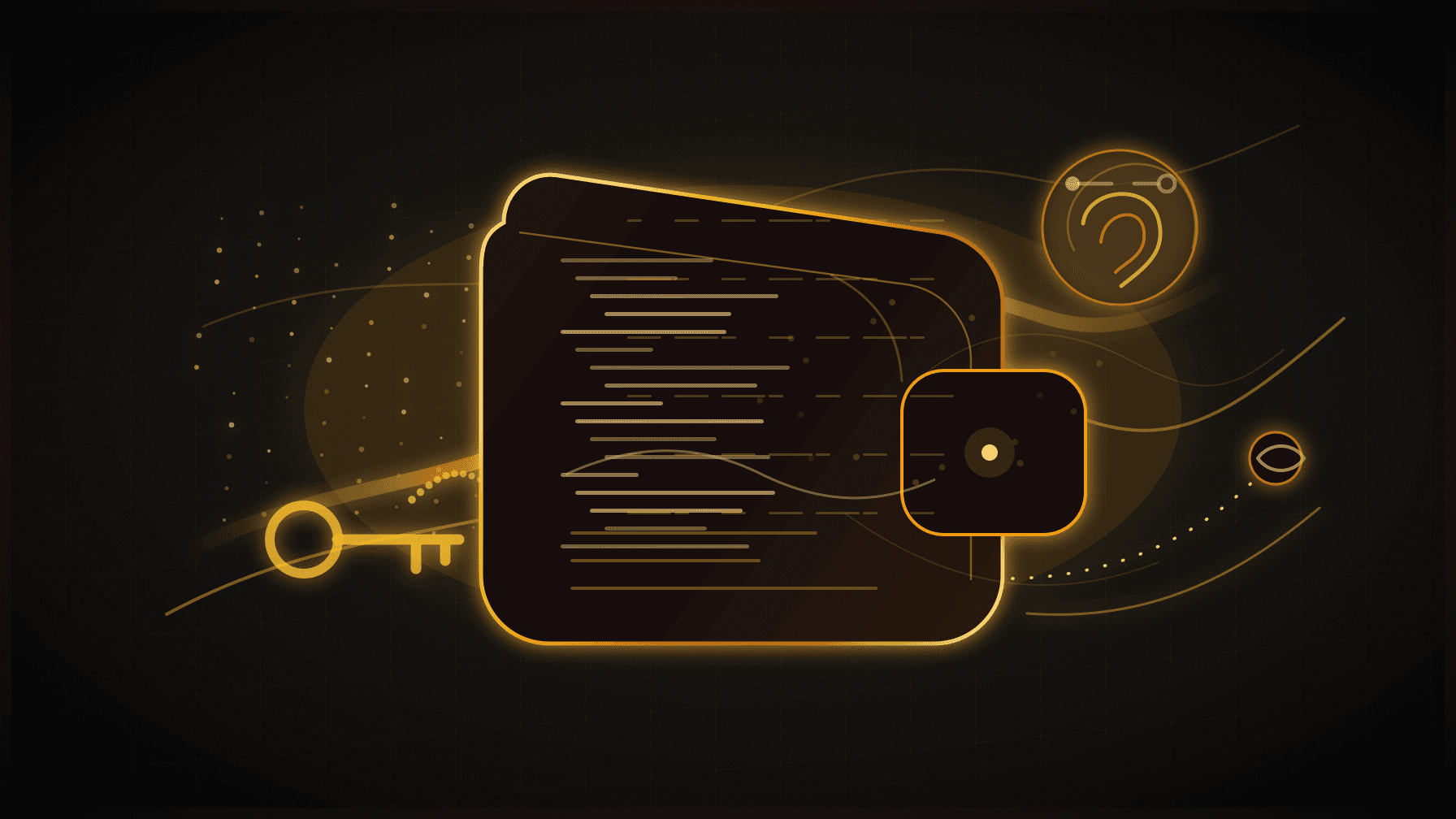
If you've ever panicked about losing your seed phrase — or watched a transaction fail because you had no ETH for gas — you've already felt the pain that account abstraction was built to fix. Smart wallets are quietly reshaping how people interact with crypto, and in 2026 they're no longer a niche experiment. This guide walks you through what account abstraction actually is, how the technology works, and what it changes for everyday users.
What Is Account Abstraction?
On Ethereum there are two kinds of accounts. A standard wallet — MetaMask, a hardware wallet — is an Externally Owned Account (EOA): one private key controls everything, and that key alone writes the rules. A smart contract account is controlled by code, which means you write the rules: who can authorize transactions, how recovery works, who covers the gas.
Account abstraction simply means letting a smart contract act as your account instead of a bare private key. Once programmable code stands between you and the blockchain, a wallet can do things an EOA never could.
Here's an everyday analogy. An EOA is like a physical house key — one key, one lock, and if you lose it, you're locked out forever with no way to make a copy. A smart wallet is more like a smart-lock system: you can add a backup entry code, let a trusted person unlock in an emergency, require two people to open it for large items, and even grant a delivery service limited access to a specific area. Same house, but programmable rules.
The Problems It Solves
Traditional EOAs force three painful trade-offs every crypto user knows:
- One key, no recovery. Lose your seed phrase and your funds vanish permanently. No support ticket, no reset link.
- Gas must be paid in ETH. You could hold thousands in USDC and still be unable to move a single dollar because you have no ETH for gas.
- Every action needs a separate signature. Approving a token and then swapping it means two transactions, two confirmation prompts, two gas fees.
Smart wallets remove all three constraints. The goal: keep full self-custody of your funds while stripping away the friction.
How ERC-4337 Works
The clever part was achieving this without changing Ethereum's core protocol. ERC-4337 — the standard that made account abstraction mainstream — builds a parallel system entirely on top of smart contracts and off-chain infrastructure. No hard fork required.
Think of it like a specialized courier network running alongside regular mail. You write a request slip describing what you want done — that's a "UserOperation." A courier company (the "Bundler") collects slips from many customers and delivers a bundled package to a sorting depot (the "EntryPoint"). The depot verifies each slip and routes it to the right address — your "account contract." If you're on a premium plan, the courier covers your postage — that's the "Paymaster."
Here's how it maps to the actual technology:
- UserOperation — instead of a standard transaction, your wallet creates a structured object describing the action you want to take.
- Bundler — a node collects UserOperations from many users, packages them, and submits them on-chain (paying the actual gas cost).
- EntryPoint — a single audited smart contract that validates each UserOperation and executes it against your account.
- Account contract — your actual smart wallet, containing the custom logic: which signatures are valid, spending limits, recovery rules.
- Paymaster — an optional contract that agrees to cover your gas, enabling gasless or pay-in-any-token transactions.
For a closer look at who actually pays, how token-denominated fees settle, and why sponsorship can fail, see the ERC-4337 paymasters and gas sponsorship guide.
In 2026, EIP-7702 (shipped in Ethereum's Pectra upgrade) made things even smoother. It lets a regular EOA temporarily borrow smart-account powers for a single transaction — so existing MetaMask-style wallets can offer batching and gas sponsorship without users migrating to a new address.
What Smart Wallets Can Actually Do
| Feature | What it means for you |
|---|---|
| Seedless / social recovery | Restore access with passkeys, trusted contacts, or email — no 12-word phrase to protect |
| Gasless transactions | A paymaster (often the dApp) covers gas, or you pay in USDC instead of ETH |
| Transaction batching | Approve + swap + stake in one signature and one fee |
| Session keys | Grant a game or app limited, time-boxed permission to act on your behalf |
| Passkey / biometric signing | Sign with Face ID or a fingerprint instead of a raw private key |
| Spending limits & multisig | Require extra approval for large transfers — like a daily ATM limit built into the wallet |
Smart Wallets vs. Regular Wallets
| EOA (e.g., MetaMask) | Smart wallet | |
|---|---|---|
| Controlled by | One private key | Smart contract code |
| Recovery option | Seed phrase only | Social recovery / passkeys / guardians |
| Gas payment | Native token (ETH) only | Sponsored or any supported token |
| Transaction batching | No | Yes |
| Initial setup cost | Free | Small one-time contract-deployment fee |
The trade-off is real but limited: deploying a smart account costs a small amount of gas upfront, and the contract code itself is an attack surface that must be audited. For most users, the flexibility and recovery options far outweigh a one-time fee.
Popular Smart Wallets in 2026
- Safe (formerly Gnosis Safe) — the dominant multisig standard for teams and protocol treasuries.
- Coinbase Smart Wallet — passkey-based, no app or browser extension required.
- Argent — pioneered social recovery and a smooth mobile experience.
- Embedded wallets (Privy, Dynamic, thirdweb) — let apps silently create wallets so users can sign in with email or social accounts.
Why It Matters
Account abstraction matters because it changes the entry cost of using crypto responsibly. Until now, safe self-custody meant understanding seed phrases, keeping ETH on every chain just for gas, and manually batching transactions to save fees. Smart wallets push that complexity into the software layer — the same shift that turned ATM machines into mobile banking apps. More people can participate without inheriting the expert's full burden.
That said, convenience doesn't replace understanding. Knowing how your wallet works — and what protections it relies on — remains your responsibility.
Risks and Limitations
Account abstraction is powerful, but it doesn't make wallets automatically safe:
- Smart contract risk. Your wallet is code. Bugs or unaudited implementations can be exploited — and unlike a bank, there is no insurance fund. Stick to established, thoroughly audited wallets.
- Recovery is only as safe as your guardians. Social recovery shifts the attack surface from a seed phrase to whoever or whatever you've designated as your recovery contact. Choose carefully and test the flow before you need it.
- Paymaster and approval phishing still exist. Gasless signing can make malicious transactions feel frictionless. The absence of a gas prompt is not a reason to lower your guard — always read what you're signing.
- Ecosystem fragmentation. Not every chain, dApp, or bridge fully supports smart wallets yet. Always verify compatibility before moving significant funds.
Frequently Asked Questions
Q: Do I need to understand ERC-4337 to use a smart wallet? No. Most smart wallet apps — Coinbase Smart Wallet, Argent, and others — abstract the technical details away completely. You interact with passkeys and social logins; ERC-4337 runs underneath invisibly.
Q: Are smart wallets safe? Are they audited? The safety of a smart wallet depends entirely on the quality of its code and audits. Established wallets like Safe have undergone extensive third-party audits. Newer or lesser-known wallets may not have. Always check a wallet's audit history and reputation before storing meaningful amounts. No wallet guarantees absolute safety.
Q: What happens to my funds if the smart wallet provider shuts down? Your funds live on-chain in your contract — not on the provider's servers. As long as you retain your recovery credentials (passkeys, guardian contacts, or a backup key), you can still access your funds even if the company disappears. Verify this recovery path before you rely on any wallet.
Q: Can I use a smart wallet with tokens other than ETH? Smart wallets on EVM-compatible chains support any token on that chain. However, smart contract wallets are primarily an Ethereum/EVM ecosystem feature. Bitcoin has different account models and separate solutions. Always confirm which chains and assets a specific wallet supports.
Q: Is EIP-7702 the same as ERC-4337? Not exactly. ERC-4337 creates a new type of smart contract account from scratch. EIP-7702 is a newer addition that lets existing EOAs temporarily adopt smart-account behaviors for a single transaction, without fully converting. They're complementary — EIP-7702 extends ERC-4337 powers to wallets people already use.
Q: What's the difference between social recovery and a seed phrase? A seed phrase puts the entire recovery burden on one piece of information only you hold. Social recovery distributes that trust — you designate multiple guardians (people or devices) who can collectively restore your access. Neither is perfectly safe, but social recovery can be more resilient against both loss and theft if set up thoughtfully.
Wrapping Up
Account abstraction turns a crypto wallet from a fragile single key into programmable, user-defined software — with seedless recovery, gasless transactions, and one-click batching. ERC-4337 brought it to Ethereum without a hard fork; EIP-7702 extended those powers to wallets people already use. If you're evaluating wallets in 2026, understanding smart accounts is no longer optional — it's a baseline.
No technology removes the need for due diligence, though. Check audits, understand your recovery setup, and never store more than you can afford to lose in any single wallet. See the crypto wallet types overview to understand how smart wallets fit alongside hot, cold, and hardware options.
This article is educational and not financial advice (NFA). Do your own research (DYOR) before choosing any wallet or storing funds.
Keep learning
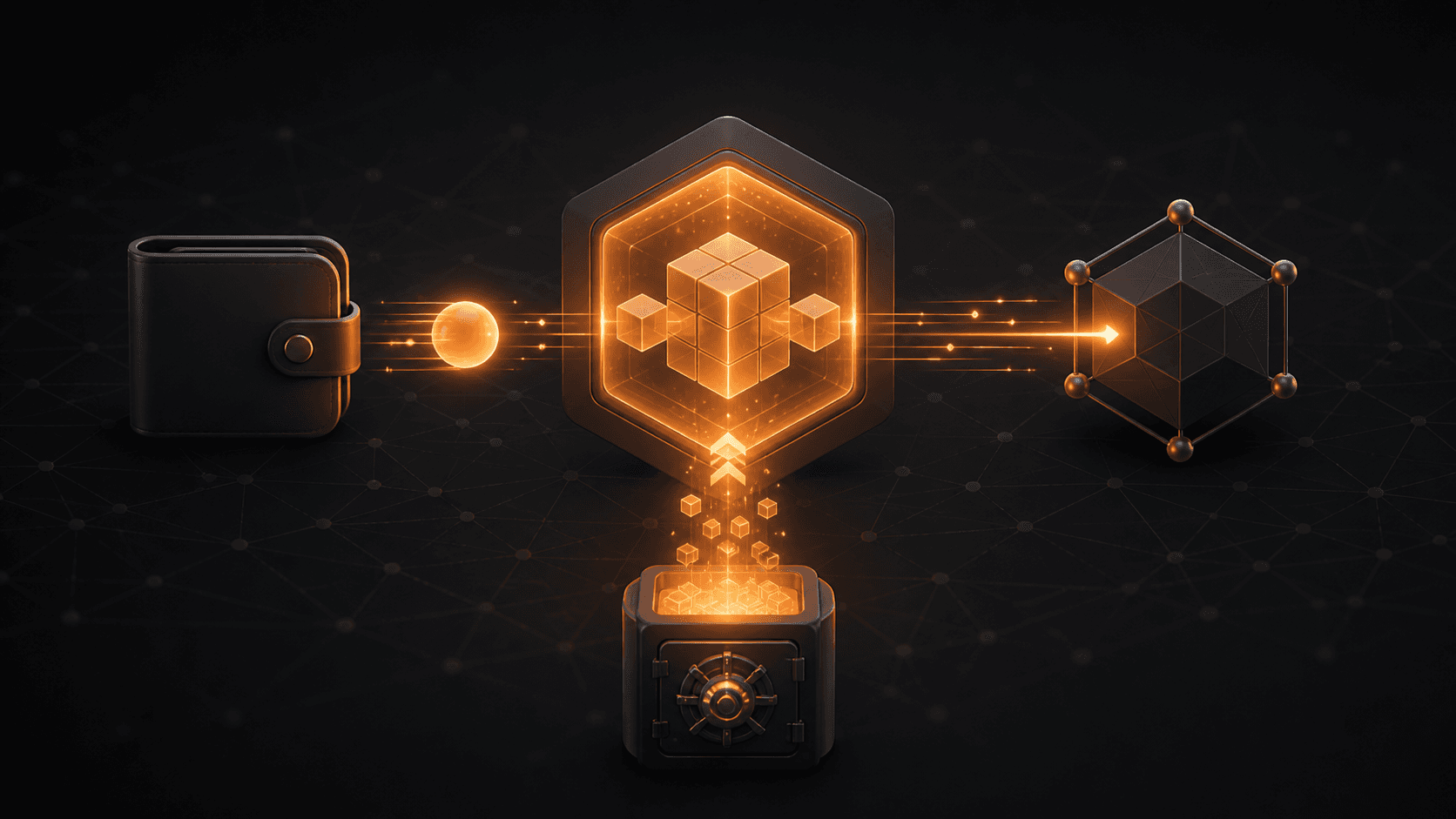
ERC-4337 Paymasters Explained: How Gas Sponsorship Works
Learn how ERC-4337 paymasters sponsor gas, support token fee payments, and introduce security and availability trade-offs for smart-wallet users.
 GOMTU6 min read
EIP-7702 Wallet Delegation: A Practical Security Guide
Understand EIP-7702 wallet delegation, its smart-account benefits, phishing risks, warning signs, and a practical safety checklist.
GOMTU6 min read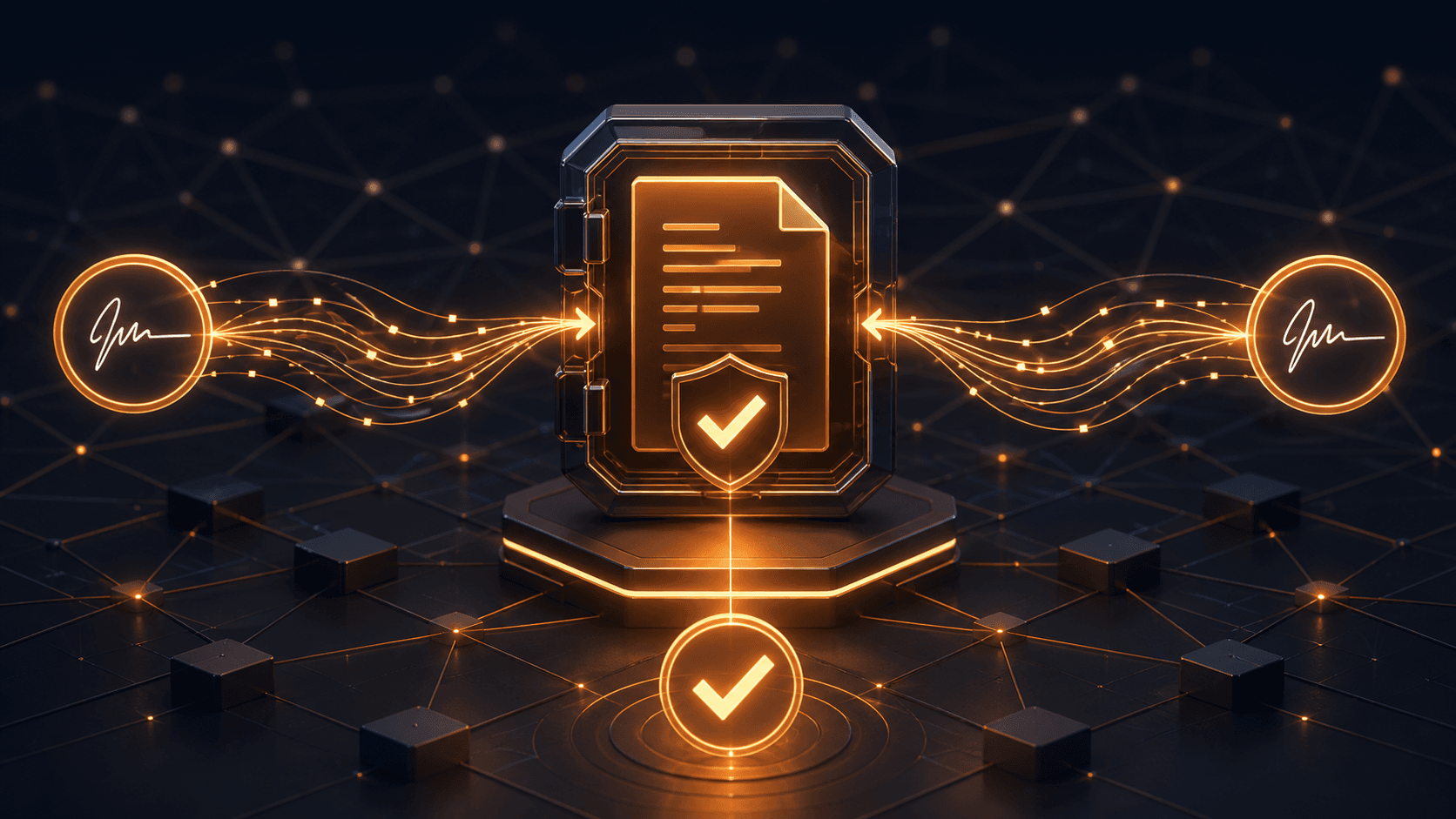
ERC-1271 Smart Contract Signatures: How Wallets Verify Authority
ERC-1271 lets smart contract wallets validate signatures with programmable rules. Learn how isValidSignature works, where compatibility breaks, and key risks.
GOMTU7 min readExplore related topics

Crypto Airdrop Farming Guide 2026: Qualify Without Gambling Your Wallet
A practical crypto airdrop farming guide for 2026: evaluate campaigns, limit wallet risk, verify claims, keep records, and avoid Sybil abuse.
GOMTU8 min read
Polkadot Halving 2026: DOT Supply Cap, 53.6% Emission Cut Explained
Polkadot undergoes its first-ever tokenomics overhaul on March 14, 2026 — a 2.1B DOT supply cap, 53.6% emission cut, and staking redesign. Here is what the changes actually mean.
GOMTU8 min read