EIP-8141 Frame Transactions: Native Account Abstraction Explained
Learn how draft EIP-8141 frame transactions could bring native account abstraction, batching, flexible signatures, and gas sponsorship to Ethereum.

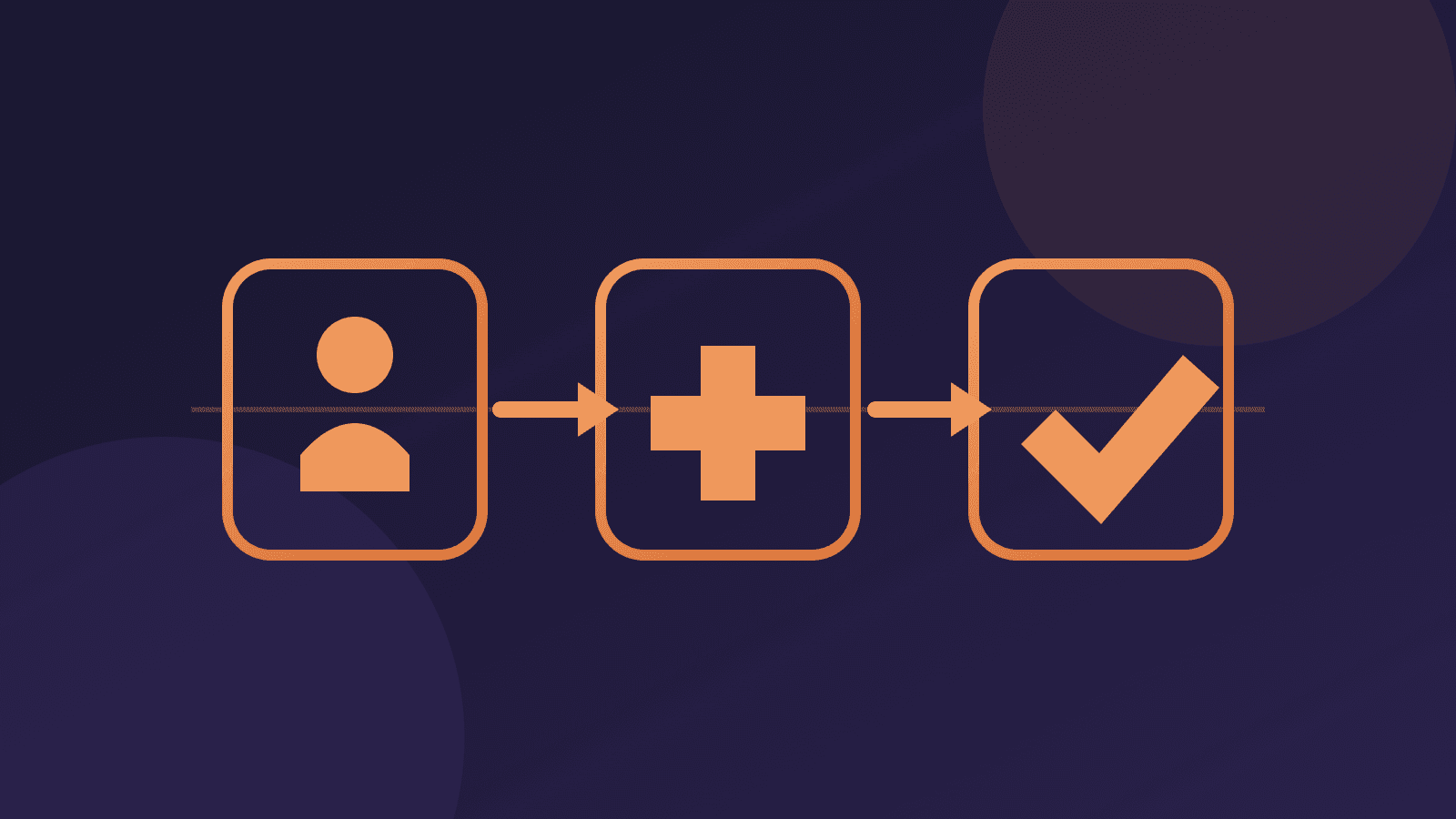
Ethereum wallets have gained programmable features, but the path still runs through extra contract systems or delegated code. EIP-8141 asks a more fundamental question: what if an Ethereum transaction could natively describe verification, payment, and execution as separate steps? That could simplify smart-wallet infrastructure, but it also changes the security boundary you need to understand as part of good crypto wallet security.
Important
As of August 12, 2026, EIP-8141 is a Draft, not an activated Ethereum feature. Ethereum.org describes it as considered for inclusion rather than committed for a specific upgrade. Treat every design detail and timeline as subject to change.
What EIP-8141 Proposes
The official EIP-8141 specification proposes a new transaction type called a Frame Transaction. Instead of one top-level call with one fixed signer and payer, the transaction contains an ordered list of frames. Each frame has a defined job and execution context.
Think of a normal transaction as a single sealed instruction handed to a cashier. A frame transaction is closer to a stapled workflow: first verify the customer, then confirm who pays, then execute an approval, and finally perform a swap. The protocol can see the boundaries between those steps rather than relying entirely on an external relay system to coordinate them.
The proposal defines three main frame modes:
- VERIFY runs validation logic without ordinary state changes and can approve payment or execution.
- SENDER executes with the account as the caller after execution has been approved.
- DEFAULT executes from the protocol-defined entry point and can support surrounding workflow logic.
This is “native account abstraction” because account-specific verification and fee logic become part of the protocol transaction flow. The broader Ethereum account-abstraction roadmap explains the goal: reduce the hard distinction between externally owned accounts and smart-contract accounts so wallets can use programmable authorization.
How a Frame Transaction Works
A frame transaction carries a sender, nonce, fee fields, signatures, and an ordered frames list. At a high level, processing looks like this:
- The protocol checks the sender nonce and validates the transaction's signature objects.
- A
VERIFYframe runs the account's rules and approves execution, payment, or both. - One or more
SENDERframes perform the user's intended actions. - A payer must be established, and unused gas is refunded to that payer.
- The receipt records results for the individual frames.
The separation matters. Under today's ordinary EOA model, the same ECDSA key both authenticates the request and implicitly commits the account to paying ETH for gas. EIP-8141 aims to let an account define those responsibilities independently.
The draft also specifies signature objects for secp256k1, P-256, and arbitrary signature data. That does not make every signature scheme automatically safe or available; wallet code must still verify arbitrary formats correctly. It does, however, create a protocol-level route for different authentication methods.
What Users Could Gain
If a design like EIP-8141 ships and wallets implement it safely, several smart-wallet features could require less supporting infrastructure.
Atomic batching
Frames can be grouped so that every action succeeds or the whole group reverts. The specification uses an approve-then-swap flow as an example. If the swap fails, the preceding token approval can revert too, avoiding an unwanted leftover allowance.
Sponsored gas and token fee flows
A different account or contract can approve payment. That could let an app sponsor onboarding or let a service accept a supported token while settling the protocol's ETH gas requirement behind the scenes. “Gasless” still means somebody pays; it never means computation is free. The existing ERC-4337 paymaster guide explains that economic distinction.
Flexible account authentication
Programmable validation can support multisignature policies, passkeys, recovery rules, or eventually new cryptographic schemes. Ethereum.org's future-proofing roadmap connects native account abstraction with signature agility, which may help accounts migrate away from today's signatures if post-quantum alternatives become necessary.
Fewer external roles
ERC-4337 works without a consensus-layer change by using UserOperations, bundlers, and an EntryPoint contract. Native account abstraction moves more of the transaction lifecycle into Ethereum itself. It may reduce dependence on specialized relayers, but it does not remove wallet contracts, app infrastructure, or implementation risk.
EIP-8141 vs ERC-4337 vs EIP-7702
These approaches overlap, but they are not interchangeable.
| Approach | Where it works | Core idea | Current status |
|---|---|---|---|
| ERC-4337 | Contract and off-chain infrastructure | UserOperations travel through bundlers to an EntryPoint | Deployed ecosystem standard |
| EIP-7702 | Ethereum protocol | An existing EOA delegates execution to smart-account code | Activated with Pectra |
| EIP-8141 | Proposed Ethereum protocol | A transaction separates verification, payment, and execution into frames | Draft proposal |
EIP-7702 delegation lets an existing address execute delegated code, but the original EOA transaction model remains underneath. EIP-8141 proposes a new transaction structure designed around programmable accounts from the start.
The Ethereum Foundation's April 2026 protocol checkpoint reported that EIP-8141 had moved to “considered for inclusion” status after client developers had not reached consensus on a specific account-abstraction design. That distinction is crucial: consideration signals active work, not guaranteed adoption.
Risks and Open Questions
Native support does not make wallet logic automatically trustworthy.
- Draft instability: fields, opcodes, mempool rules, and inclusion targets can change before finalization.
- Validation bugs: custom account rules may accept an unintended signature, scope, or replay path.
- Paymaster risk: sponsorship policy can fail, censor a request, charge a token incorrectly, or introduce counterparty assumptions.
- Mempool denial of service: nodes need strict rules for validation frames so attackers cannot make them perform expensive unpaid work.
- Interface confusion: users may not understand which frame approves execution, pays fees, or grants token access.
- Contract and upgrade risk: programmable accounts still depend on code, audits, governance, and recovery design.
Atomic batching narrows one risk but does not erase it. A batch can be internally consistent and still perform a malicious action. Clear signing remains essential: a wallet should explain the target, assets, fee payer, frame sequence, and whether failure rolls the full batch back.
A Practical Checklist for Users and Builders
Until EIP-8141 is finalized and activated, users should reject any website claiming that they must “enable EIP-8141” by signing a transaction today. There is no mainnet feature to activate.
If frame transactions eventually ship:
- Verify support through ethereum.org, the EIP repository, and your wallet's official release notes.
- Read the human-readable summary of every batched action, not just the final action.
- Confirm who pays gas and what token or allowance reimburses that payer.
- Check whether a batch is atomic and what remains if one frame fails.
- Test new wallet behavior with a separate low-value account.
- Keep recovery credentials offline and never enter a seed phrase into an “upgrade” page.
Builders should follow the live specification rather than copy an old draft. They also need adversarial tests for signature scope, replay protection, partial failure, payer accounting, and public-mempool resource limits.
Frequently Asked Questions
Is EIP-8141 live on Ethereum mainnet?
No. As of August 12, 2026, the EIP page labels it Draft. It has been discussed for a future upgrade, but consideration is not activation.
Will it replace ERC-4337?
Not automatically. ERC-4337 already has deployed wallets and infrastructure. A native design could simplify future flows or coexist with existing systems; migration choices would depend on standards, wallet teams, and applications.
Can it let users pay gas in stablecoins?
The draft supports a separate payer and workflows where a sponsor receives tokens. Ethereum itself still accounts for gas in ETH. Wallet and paymaster logic would define the exchange and its risks.
Does atomic batching make swaps safe?
It can prevent a partial state such as an approval remaining after a failed swap. It cannot guarantee a fair price, safe contract, or honest interface.
Why does EIP-8141 matter for quantum resistance?
Programmable verification could make it easier for accounts to adopt different signature schemes. That is a migration mechanism, not proof that current wallets face an immediate quantum attack.
The Bottom Line
EIP-8141 reframes an Ethereum transaction as a programmable sequence: verify, approve payment, and execute through explicit frames. The design could make batching, sponsorship, and flexible authentication more native. Today, however, it remains a draft with unresolved engineering and governance questions.
Follow primary sources, distrust premature “activation” prompts, and evaluate the wallet implementation—not just the EIP number. This article is educational and not financial advice (NFA). Crypto activity can cause irreversible loss; use only funds you can afford to lose and do your own research (DYOR).
Keep learning

Account Abstraction Explained: How Smart Wallets Work (2026)
Learn how account abstraction and ERC-4337 smart wallets work — seedless recovery, gasless transactions, and passkeys. A 2026 guide to smarter crypto wallets.
 GOMTU8 min read
EIP-7702 Wallet Delegation: A Practical Security Guide
Understand EIP-7702 wallet delegation, its smart-account benefits, phishing risks, warning signs, and a practical safety checklist.
GOMTU6 min read
ERC-4337 Paymasters Explained: How Gas Sponsorship Works
Learn how ERC-4337 paymasters sponsor gas, support token fee payments, and introduce security and availability trade-offs for smart-wallet users.
GOMTU6 min readExplore related topics

Pending Ethereum Transactions: Diagnose, Speed Up, or Cancel Safely
Learn why an Ethereum transaction stays pending, how nonce order and fees affect it, and when speeding up, canceling, or waiting is the safest response.
GOMTU7 min read
Polkadot Halving 2026: DOT Supply Cap, 53.6% Emission Cut Explained
Polkadot undergoes its first-ever tokenomics overhaul on March 14, 2026 — a 2.1B DOT supply cap, 53.6% emission cut, and staking redesign. Here is what the changes actually mean.
GOMTU8 min read